The Dopamine Chase: The ADHD Hobby Graveyard
The watercolor set is in the closet. Next to the embroidery kit. Next to the journaling supplies you bought in three different aesthetics before settling on none of them. Next to the guitar that was absolutely going to be different this time. Next to the sourdough starter that did not survive the second week.
You know exactly what this is. You have probably laughed about it. Maybe you have a name for it. The ADHD hobby graveyard. The room where intentions go to collect dust. But here is the thing about laughing it off. It lets you skip the part where you actually understand what is happening. And understanding it is more useful than just cataloguing the evidence of it on a shelf.
This Is Not a Discipline Problem
The standard explanation for the hobby graveyard is a character one. You are flaky. You do not follow through. You get excited easily and commit to nothing. You need to develop more discipline, more consistency, more of whatever quality would make you finish the things you start. That explanation is not only unhelpful. It is inaccurate.
What is actually happening is neurological. The ADHD brain is not wired for consistent dopamine production the way a neurotypical brain is. It is wired for spikes. For novelty. For the specific neurochemical hit that arrives when something is new, exciting, slightly uncertain, and full of possibility. The anticipation phase of a new hobby: the research, the supply buying, the imagining of who you will be once you have mastered this thing is neurologically rich. The brain is lighting up. Dopamine is flowing. Everything feels possible and the engagement is completely genuine.
And then the novelty wears off.
Not because you are lazy. Because the neurochemical reward that was making the activity feel compelling has moved on, and what remains is the part of the hobby that requires repetition, incremental progress, and tolerance for being a beginner for longer than the initial excitement promised.
For a brain that runs on dopamine spikes, that transition is genuinely difficult in a way that willpower alone cannot fix.
What the Supply Buying Is Actually About
The supply haul deserves its own examination because it is so specific and so recognizable.
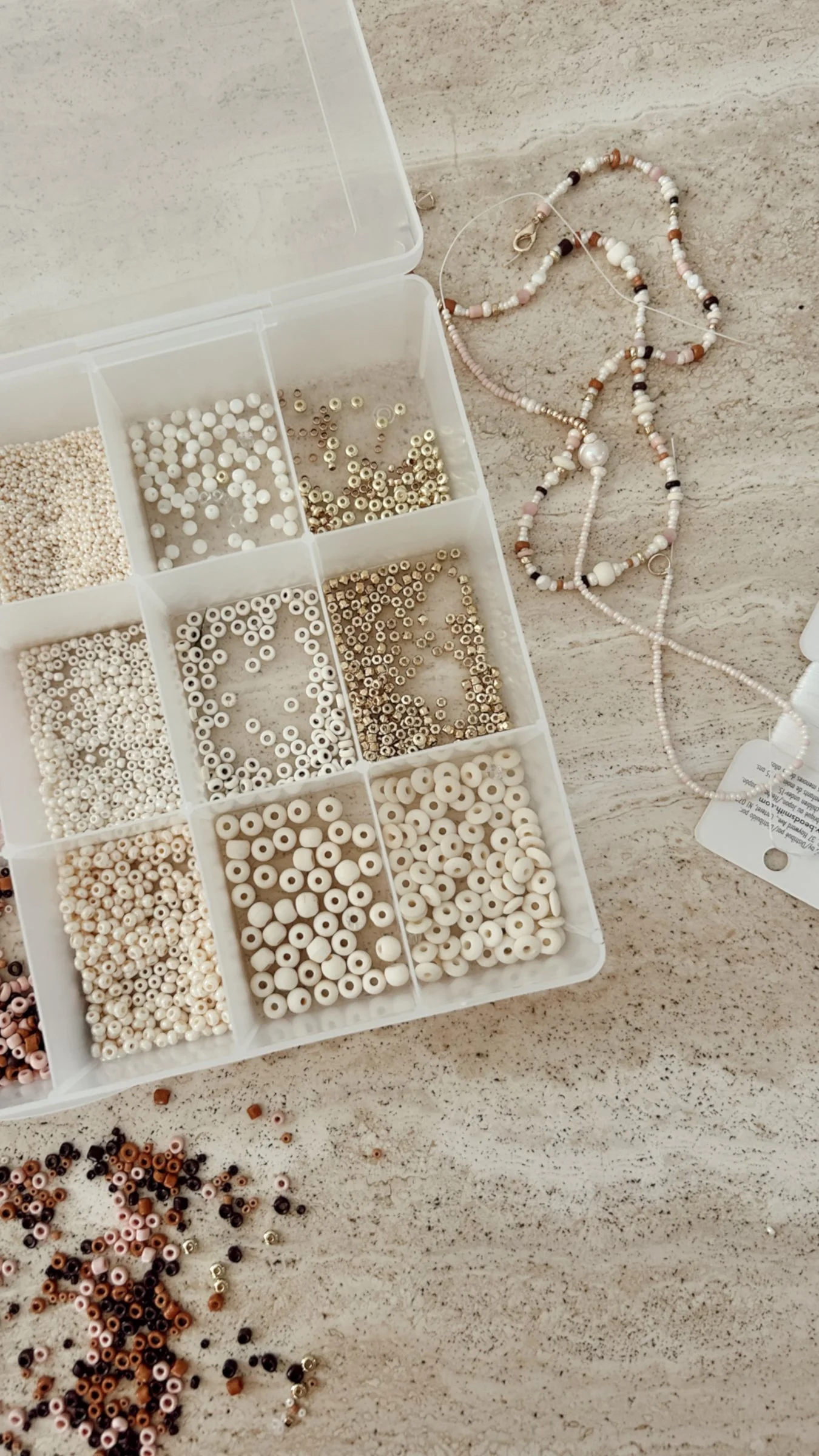
Buying the supplies is not irrational behavior. It is the dopamine phase in its purest form. The research spiral. The comparison of options. The cart building. The arrival of the package. Every step in that sequence is a small hit. A small reward. A small confirmation that something exciting is about to begin. The supplies are not really about the hobby. They are about the possibility of the hobby. The version of yourself that exists in the future where you are someone who does this thing. That version is vivid and motivating and completely free of the part where you are bad at it for months before you are any good.
This is also why the supplies often arrive and then sit unopened for longer than expected. Because opening them begins the actual hobby, and the actual hobby is where the dopamine stops being automatic and starts requiring something more. The unopened supplies are still full of potential. Once you begin, the gap between imagination and reality becomes visible. And that gap is uncomfortable in a way the brain would rather avoid.
The Graveyard Is Not the Problem. The Shame Is.
Here is where this conversation needs to shift.
The hobby graveyard is a symptom. The shame about the hobby graveyard is where the real damage happens.
Because when you spend enough time interpreting your own brain's wiring as a personal failure, you stop being curious about what you actually need and start building a case against yourself. You decide you are not someone who finishes things. You preemptively abandon new interests before they begin because you have already concluded how this ends. You use the graveyard as evidence of something fundamentally wrong with you rather than something fundamentally specific about how your brain seeks reward.
That shame spiral is more limiting than the dopamine wiring ever was. The wiring can be worked with. The shame tells you not to bother trying.
What Working With the Wiring Actually Looks Like
You are not going to rewire your brain with better intentions. But you can design around how it actually functions instead of how you wish it did.
A few things that work with dopamine-seeking brains rather than against them:
Lower the entry cost deliberately. Borrow before you buy. Try the free version before the full kit. Give the interest a chance to survive contact with reality before investing in the full aesthetic of it.
Build novelty into the practice itself. Rotate between a small number of active interests instead of demanding linear commitment to one. The brain does not require you to finish one thing before beginning another. That is a rule someone else made.
Separate the interest from the identity. You do not have to become a person who does watercolors. You can just do watercolors occasionally, when the interest returns, without it meaning anything about your follow-through as a human being.
Notice what actually sticks. Somewhere in the graveyard there are probably one or two things you have returned to more than once. That return is information. Not everything needs to be a lifelong passion. But the things you keep coming back to are worth paying attention to.
Let the supply buying be a phase, not a commitment. The research and acquisition phase is genuinely enjoyable for this kind of brain. You do not have to pathologize it. You can enjoy it and also decide not to act on every single one.
The Part Worth Keeping
The same brain that fills the hobby graveyard is also the brain that hyperfocuses for twelve hours on something that matters to it. That makes unexpected connections between unrelated fields. That brings genuine, contagious enthusiasm to new ideas in a way that moves rooms and starts things and sees possibilities other people walk past. The dopamine chase is not only a liability. It is also the engine of a particular kind of creativity and aliveness that is worth something.
The goal is not to become someone with fewer interests and more discipline. The goal is to understand your own wiring well enough to work with it. To stop building a graveyard of shame around the normal behavior of a brain that is just trying to find what lights it up. Some of those hobbies were never meant to last. And that is fine. You were not broken when you bought the supplies. You were just doing what your brain does.
The watercolors will still be there if the interest comes back.